
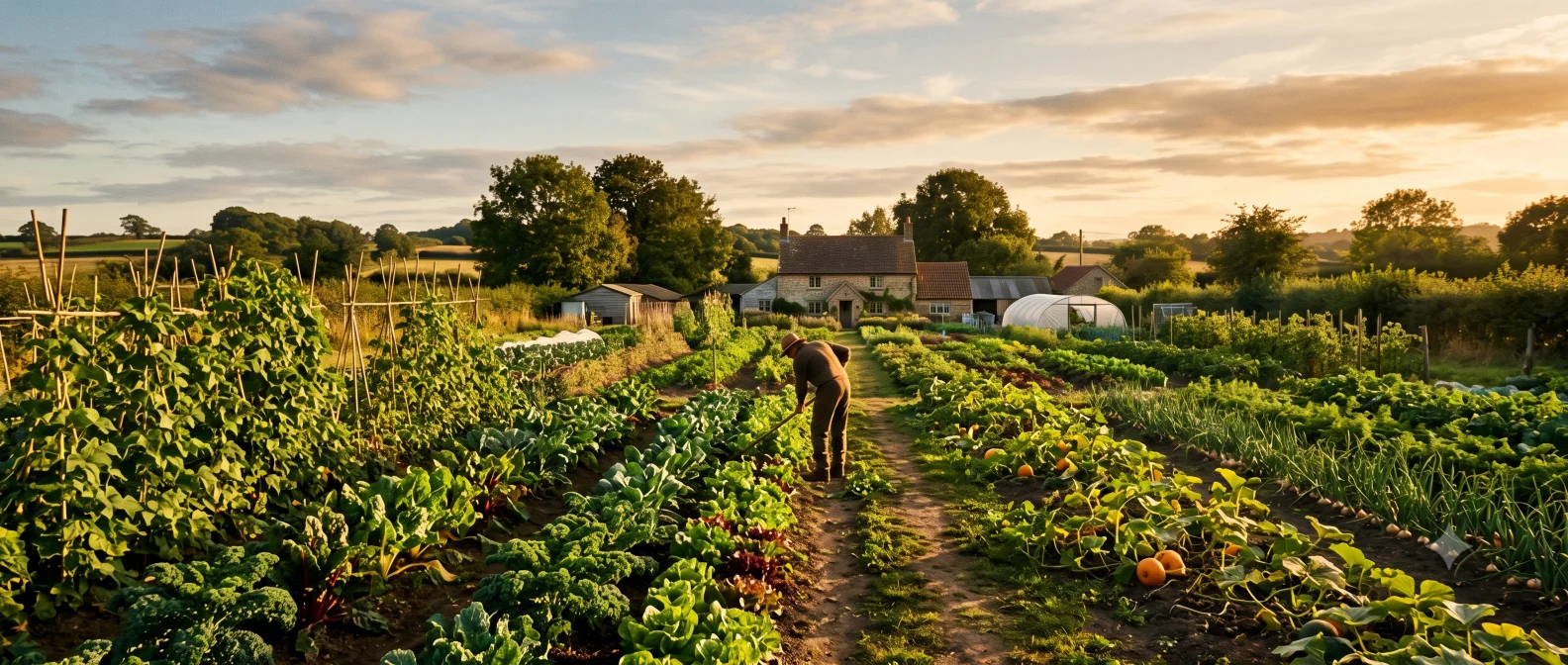
Know Exactly What You Need, Before You Need It
Food When The Shops Stop turns vague self-sufficiency dreams into hard numbers. How many seeds, how many rows, how many kilograms per person per year. No guesswork, no rounding up.
Today's Calorie Champion
One genuinely high-calorie crop from the site's own growing guides, plus three more worth knowing about. Verified against real per-zone yield data, not a headline kcal figure alone.
Most Of Us Have Never Had To Think About This
The supermarket has always been there. But supply chains are more fragile than they look, and the gap between what most people could grow and what they would actually need is larger than almost anyone realises.
Real growing means real soil, real weather, and real work, not a spreadsheet guess. This tool starts from what's actually achievable on the ground.
More About How It Works →How it works - 7 steps
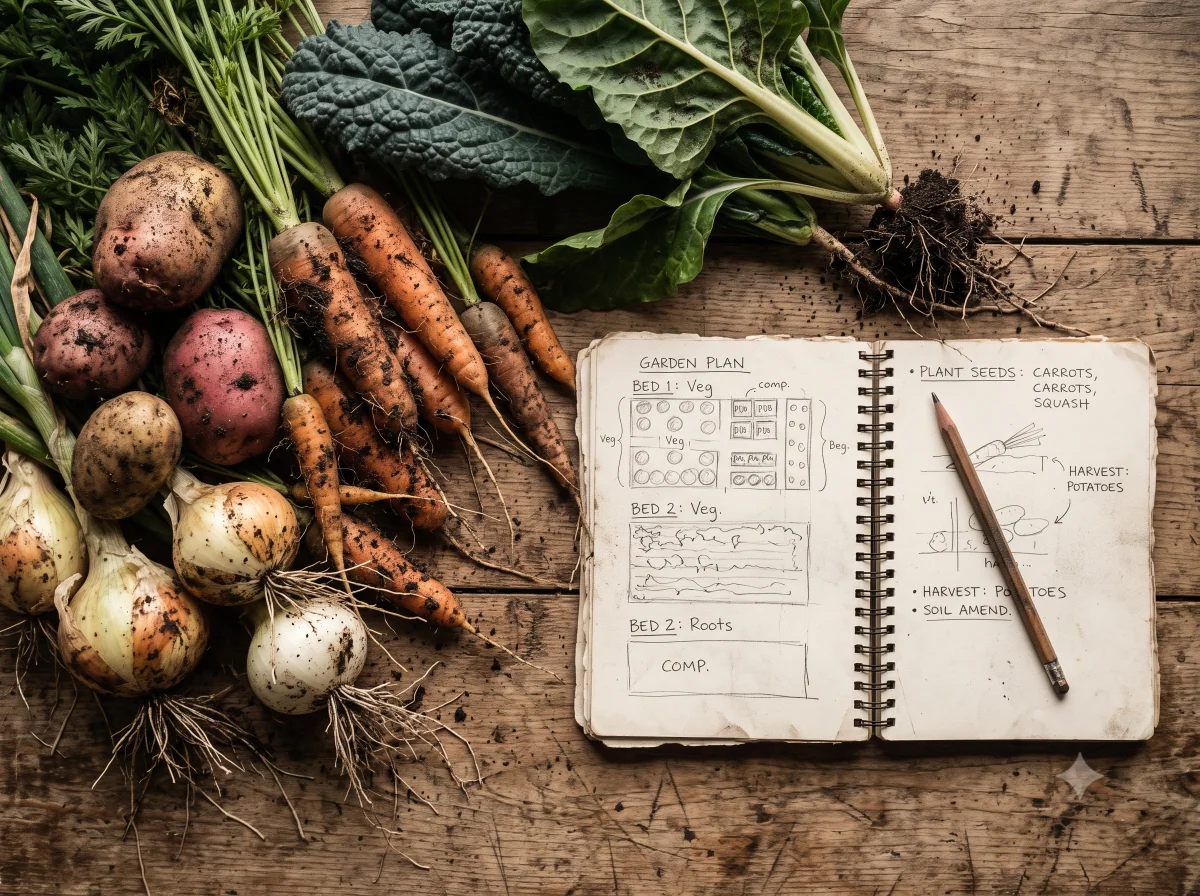
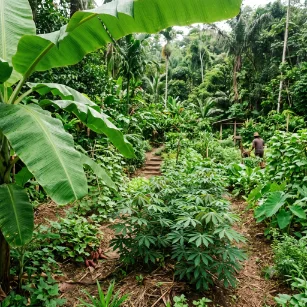
8 Climate Zones, Modelled Properly
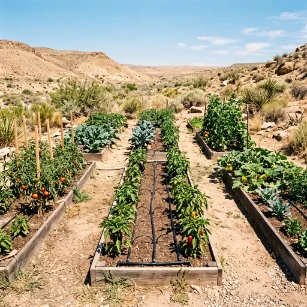
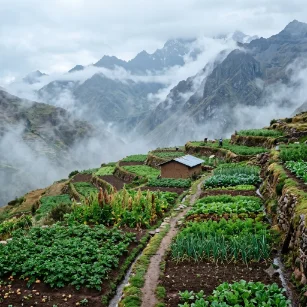
Yields, storage life and viable crops all shift with your zone. Pick the one that matches where you grow.
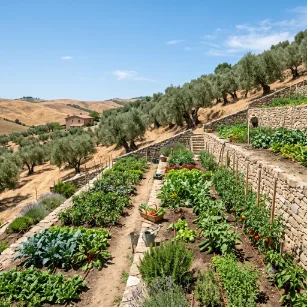
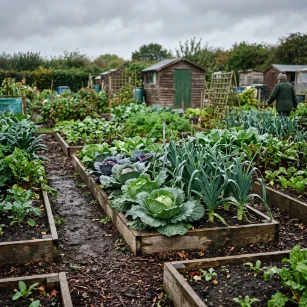
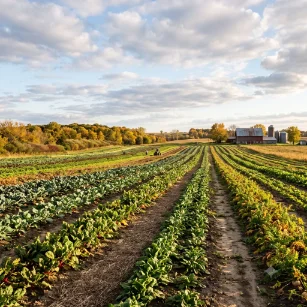
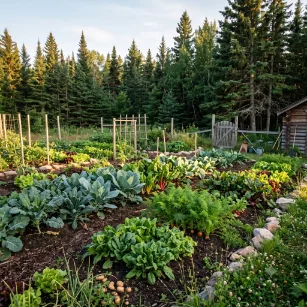
Ready to know your numbers? Get your personalised seed plan in under 10 minutes.
Start the calculator →Growing your own seed? Check what will cross-pollinate before you plant.
Seed-Saving Helper →What this tool is, and isn't
This calculator gives you a realistic starting point, not a guarantee. Real growing involves weather, pests, disease, soil condition, water availability, and years of accumulated skill. The numbers here use honest loss rates. Germination failures, pest damage and wind losses are all accounted for, but no calculator replaces experience.
Use this as a map, not a contract. The most valuable thing it can do is show you the scale of what's needed, because most people who've never grown food seriously underestimate it by a factor of ten.
Frequently Asked Questions
How many seeds do I need to grow to feed my family?
It depends on your group size, climate zone, which crops you choose and how much of your calories come from other sources. The Food When The Shops Stop calculator works this out precisely, accounting for germination failures and pest losses in your zone.
Is the calculator free to use?
Yes it's completely free, no account required and no paywall to see your full results. Just answer 7 questions and get your numbers instantly.
Does it work for my climate zone?
The calculator covers 8 climate zones from Tropical to Alpine, including Temperate Maritime (UK, Ireland, NW Europe), Mediterranean, Continental, Boreal, Arid and Highland.
Does it include livestock and wild food?
Yes, you can add kept livestock with honest net calorie economics (feed costs subtracted), wild-caught animals with skill level adjustments, and other food sources.