
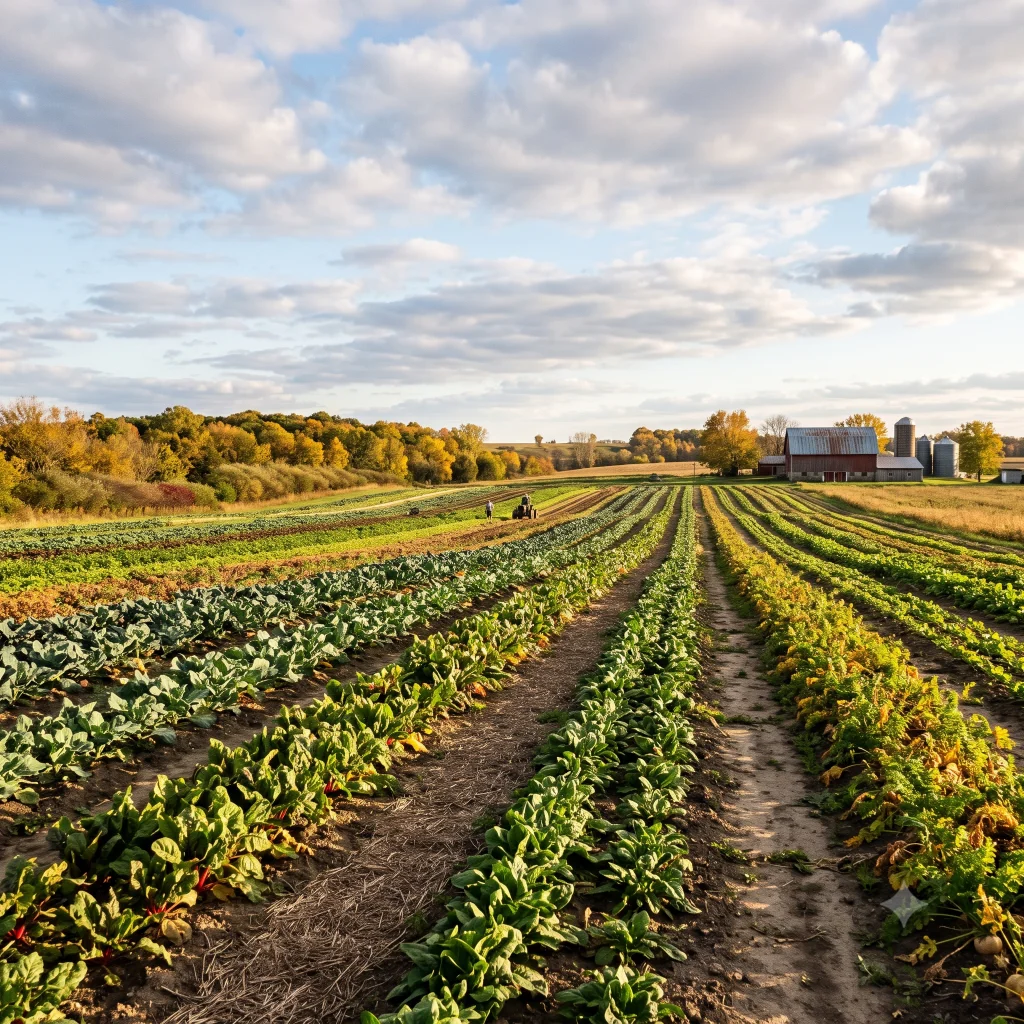
Best bets: wheat, maize, potato, soya bean, squash and cabbage. A temperate continental zone (Central Europe, US Midwest, S. Canada, N. China) runs a 5-7 month season defined by real extremes -- genuinely hot summers, genuinely cold winters. That summer heat, while shorter-lived than a Mediterranean or subtropical season, is intense enough to suit crops like maize and wheat that want real warmth to perform well.
Crops Worth Prioritising
- Wheat -- a classic continental staple, well suited to the hot summers and defined seasons of this zone.
- Maize -- genuinely wants real summer heat to perform well, which this zone reliably provides.
- Potato -- a reliable staple across the growing window, tolerant of the seasonal swing either side of it.
- Soya Bean -- thrives on genuine summer warmth and fits well within the season length available.
- Squash -- makes good use of the intense summer heat to mature fully before the season ends.
- Cabbage -- a hardy, reliable crop that copes well with the sharper seasonal transitions of this zone.
Frequently Asked Questions
What are the best crops to grow in a temperate continental climate?
Wheat, maize, potato, soya bean, squash and cabbage are all well-suited to a temperate continental climate -- these crops make good use of the genuinely hot summers typical of this zone while tolerating (or in the case of overwintering brassicas, benefiting from being planted around) the cold winters that follow.
Why is a continental climate different from a maritime one at a similar latitude?
A continental climate sits further from the moderating influence of the sea, which produces a much wider temperature swing -- genuinely hot summers and genuinely cold winters, rather than the milder, more even conditions a maritime zone gets at a similar latitude. This actually suits certain crops (like maize and wheat) that want real summer heat, better than a cooler maritime summer would.
How short is the growing season in a continental climate?
Typically 5-7 months, shorter than a Mediterranean or subtropical zone but still enough for a solid range of crops including grains and long-season vegetables -- the key planning constraint is making full use of the intense summer heat within that window, since both spring and autumn arrive and depart more abruptly than in a milder maritime zone.