
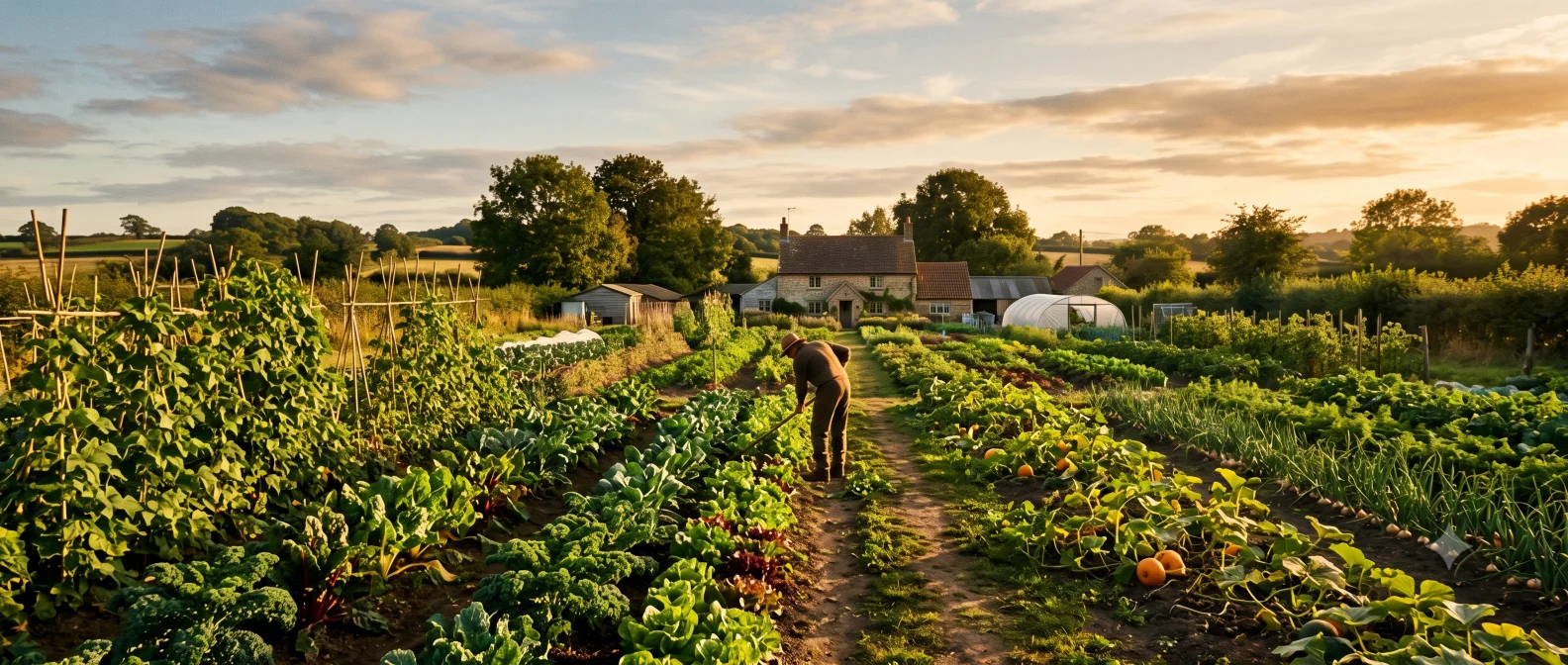
Short answer: crops within the same species, even when the names sound completely unrelated. Beetroot crosses with chard -- both are the same species, Beta vulgaris, despite looking and being eaten nothing alike. Different squash varieties within the same species cross with each other. Many brassicas -- cabbage, kale, broccoli -- can cross depending on which species each variety actually belongs to. Crops like tomatoes and peas rarely cross, since they're mostly self-pollinating rather than relying on wind or insects to move pollen between plants.
Why This Catches People Out
Most gardeners think about their vegetable patch in terms of what a crop looks like and how it's used -- root vegetable, leafy green, fruiting vegetable. Cross-pollination doesn't follow that logic at all. It follows biological species, and species groupings routinely cut across what looks like common sense. Beetroot and chard are the classic example: one's a root crop, one's a leafy green, and to anyone not thinking about botany they'd seem completely unrelated. But they're the same species, and grown near each other with both allowed to flower, they'll cross -- with genuinely disappointing results the following year when saved "beetroot" seed grows something closer to chard, or vice versa.
Squash is another common trap -- there are several distinct squash species in cultivation, and varieties within the same species will readily cross (a zucchini and a certain pumpkin might be the same species and will cross; a zucchini and a butternut squash usually won't, being different species), which is exactly why this site's squash variety guide flags species for each variety, not just the name.
The practical fix is isolation -- physical distance between same-species varieties, staggering when they flower so pollen isn't moving between them at the same time, or for high-value crops, physically caging flowers or hand-pollinating. How much isolation is enough varies a lot by crop: wind-pollinated crops generally need more distance than insect-pollinated ones, and some crops are naturally self-pollinating and need very little isolation at all. Every crop guide on this site covers its specific cross-pollination risk and isolation needs as part of its seed-saving section.
Frequently Asked Questions
Which vegetables cross-pollinate and ruin your seed saving?
Crops within the same species are the real risk, even when their common names sound unrelated -- squash varieties within the same species can cross with each other, beetroot crosses with chard (both are the same species), and brassicas like cabbage, kale and broccoli can cross depending on which species each variety belongs to, while crops like tomatoes and peas rarely cross because they're mostly self-pollinating.
Why can two vegetables with completely different names still cross-pollinate?
Because what determines cross-pollination risk is biological species, not common name or how a vegetable looks or is used -- beetroot and chard are both Beta vulgaris, so despite looking and being eaten completely differently, they will cross-pollinate if grown near each other and allowed to flower at the same time, ruining the trueness of seed saved from either.
How do I stop my vegetables from cross-pollinating?
The main options are isolation distance (physically separating varieties of the same species by enough space that pollinators or wind rarely bridge the gap), timing (growing varieties so they don't flower at the same time), or physical barriers like caging or hand-pollination for high-value seed crops -- the right isolation distance varies a lot by crop and by whether it's wind- or insect-pollinated.