
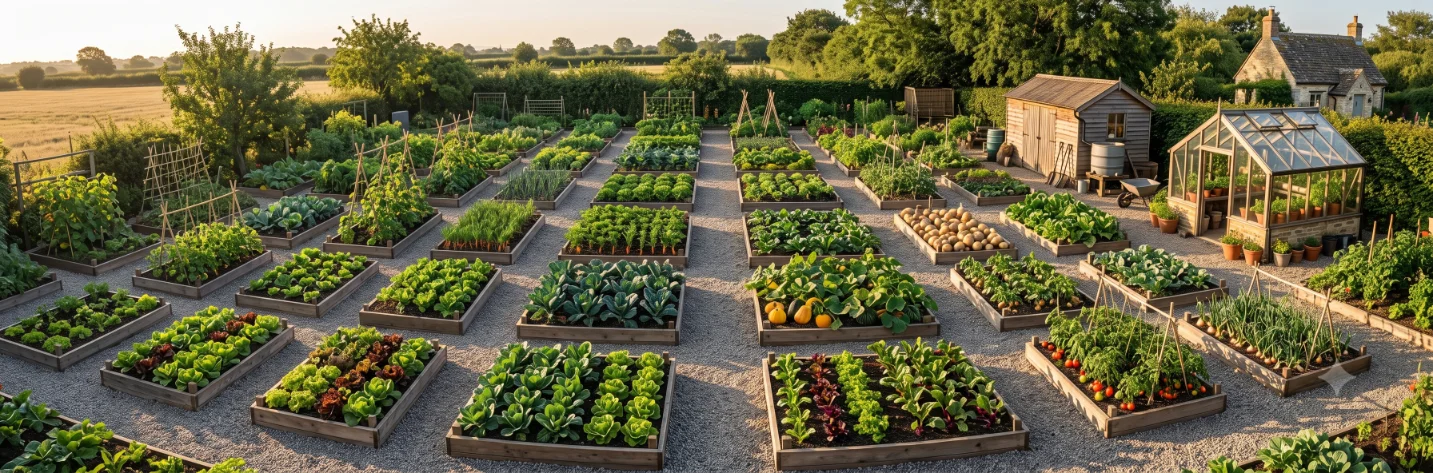
Short answer: winter squash, onions, garlic, and root vegetables like potatoes and swede -- these are the genuine long-haul keepers, often lasting several months to most of a winter with nothing more than cool, dark, appropriately humid storage. Leafy greens, tomatoes and most fresh salad crops are the opposite: they keep for days, not months, and need to be eaten fresh, preserved, or grown in smaller repeated batches instead of stored in bulk.
Storage Life Is a Choice, Not Just a Trait
Every vegetable has some natural storage potential, but two things determine whether that potential is actually realised: the variety you grow, and how you store it afterwards. Within a single crop, some varieties are bred specifically for storage (a maincrop storage onion versus a sweet salad onion, for example) while others are bred for speed or flavour at the cost of keeping quality.
Storage method matters just as much. A winter squash cured properly and kept somewhere cool and dry can last through to spring; the same squash left in a damp shed will rot within weeks. Root vegetables packed in slightly damp sand, away from light and at a steady cool temperature, dramatically outlast the same roots left loose in a bag in a warm kitchen.
This matters most in the period gardeners call the hungry gap -- late winter into early spring, when last year's stored harvest is running low but this year's new crops aren't ready yet. Deliberately planning storage crops to bridge that window, rather than discovering the gap exists partway through it, is one of the most practical things a food-growing plan can do. Every crop guide on this site includes a dedicated storage and preservation section covering exactly how long each crop keeps and how to store it properly.
Frequently Asked Questions
Which vegetables store the longest over winter?
Winter squash, onions, garlic, and root vegetables like potatoes, swede and beetroot kept in sand or a cool, dark spot are among the longest keepers, often lasting several months to most of a winter without refrigeration -- by contrast, leafy greens, tomatoes and most fresh salad crops keep for days rather than months and need to be eaten fresh, preserved, or grown in succession instead.
Does how a vegetable is stored change how long it lasts?
Yes, considerably -- the same crop can keep for months in the right conditions (cool, dark, appropriate humidity, sometimes packed in sand) and spoil within weeks if stored wrong, so matching each crop to its correct storage method matters as much as choosing crops with good storage potential in the first place.
What's the "hungry gap" and how do storage crops help?
The hungry gap is the period in late winter and early spring when the previous year's stored harvest is running low but the new season's crops aren't ready yet -- good storage crops, planned deliberately to last through this window, are what stop that gap turning into a real shortage.