
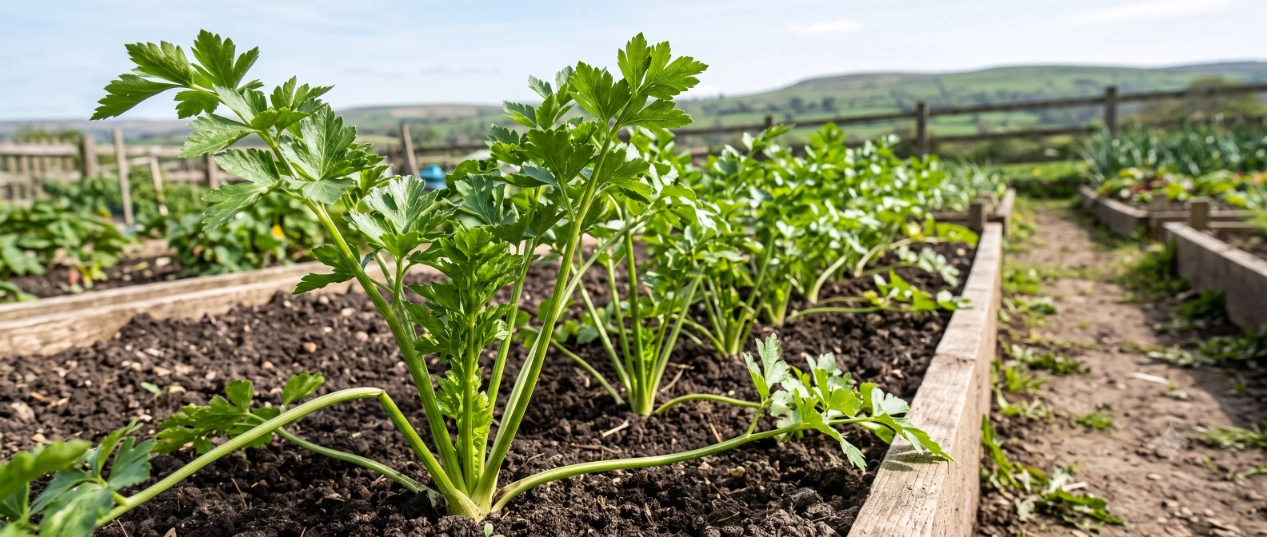
Parsnip is biennial and highly outcrossing, and its wild ancestor grows freely as a roadside weed across much of its range -- so isolation has to account for feral parsnip, not just your neighbour's allotment.
New to terms like isolation distance or outcrossing? See the Seed-Saving Glossary.
Seed-Saving Difficulty
●
Difficult
High crossing risk
How It's Pollinated
Insect-pollinated (bees, hoverflies -- high outcrossing)
(High crossing risk)
Scientific name: Pastinaca sativa
Domestic Crops It Can Cross With
- Any other parsnip variety flowering at the same time
Wild Relatives & Feral Species
- Wild parsnip grows freely in many regions and crosses readily -- check hedgerows and verges nearby
- The cross can produce phototoxic sap similar to wild parsnip, so watch saved seedlings for wild-type vigour
Separation Distances Required
Minimum: 400m between varieties
Recommended: 800m-1km for reliable purity
Strict: Bag flower heads and hand-pollinate for guaranteed purity
Seed-Saving Strategies
- Biennial -- overwinter roots in the ground (mild zones) or lift and store, replant in spring
- Allow the umbels (flower heads) to fully dry and turn brown
- Cut whole heads before seed shatters, finish drying indoors
- Store dry -- parsnip seed is short-lived, viable only 1-2 years