
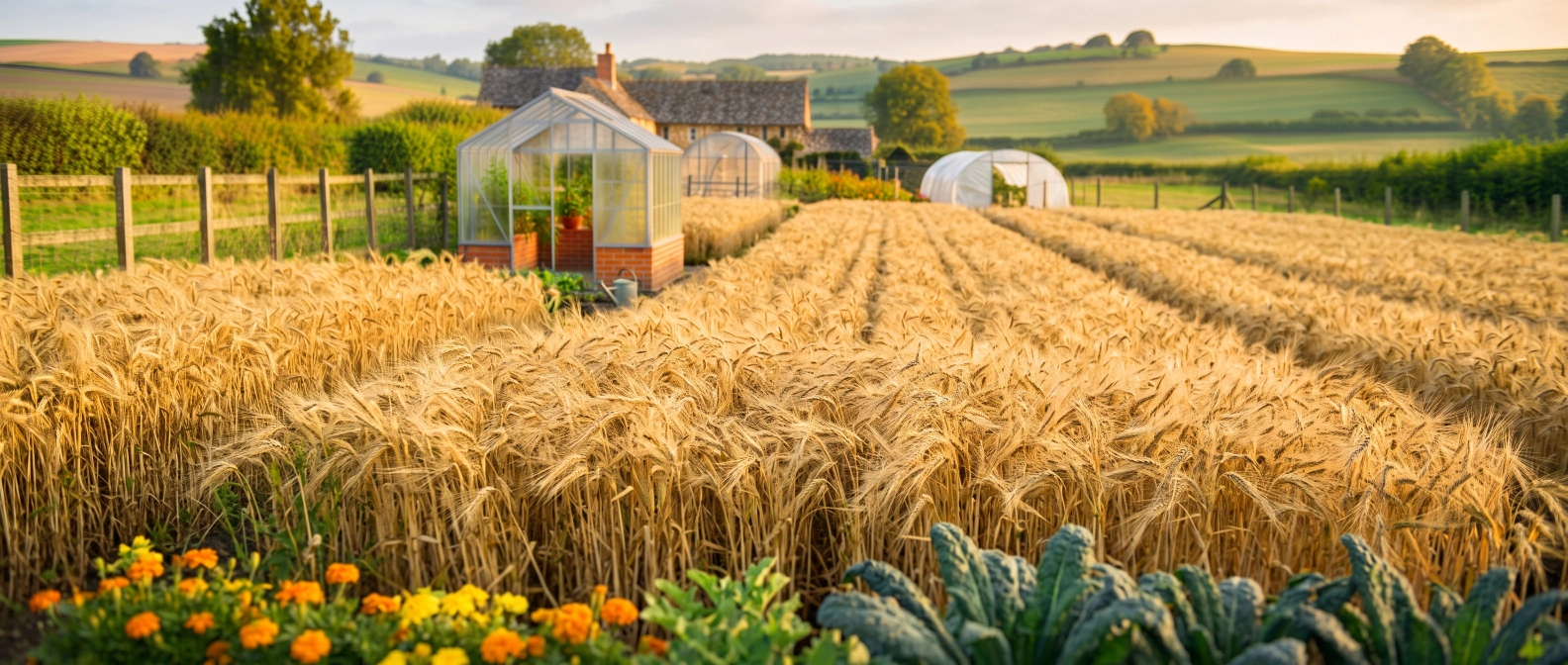
Most of this category is genuinely low-risk for seed saving: wheat, oats, barley, rice, teff and fonio all self-pollinate before their flowers even fully open, keeping cross-pollination naturally rare. Maize and pearl millet are the two exceptions -- maize is wind-pollinated and readily crossing, while pearl millet's flowers are protogynous, receptive to outside pollen before the same head sheds its own. Both need real isolation or block planting the way none of their self-pollinating neighbours do. Amaranth sits in between: mostly self-pollinating, but genuinely prone to crossing with other amaranth varieties and wild-type plants nearby. Every crop here is a genuine calorie staple, several of the most calorie-dense on the whole site.
Wheat
Guide available
Oats
Guide available
Barley
Guide available
Maize / Corn
Guide available
Quinoa
Guide available
Amaranth
Guide available
Rice (Upland)
Guide available
Teff
Guide available
Pearl Millet
Guide available
Fonio
Guide available
Maize and pearl millet are the two crops in this category that genuinely need isolation. Maize is wind-pollinated and crosses readily with any other maize flowering nearby. Pearl millet's flower heads are protogynous -- receptive to outside pollen before the same head sheds its own -- pushing it toward outcrossing too, though by a different floral mechanism. Wheat, oats, barley, rice, teff and fonio, by contrast, all self-pollinate before their flowers even open. If you're saving maize or pearl millet seed, treat it the way the Fruiting Vegetables hub treats sweet pepper and chilli -- a real cross-partner risk, not a background worry.