
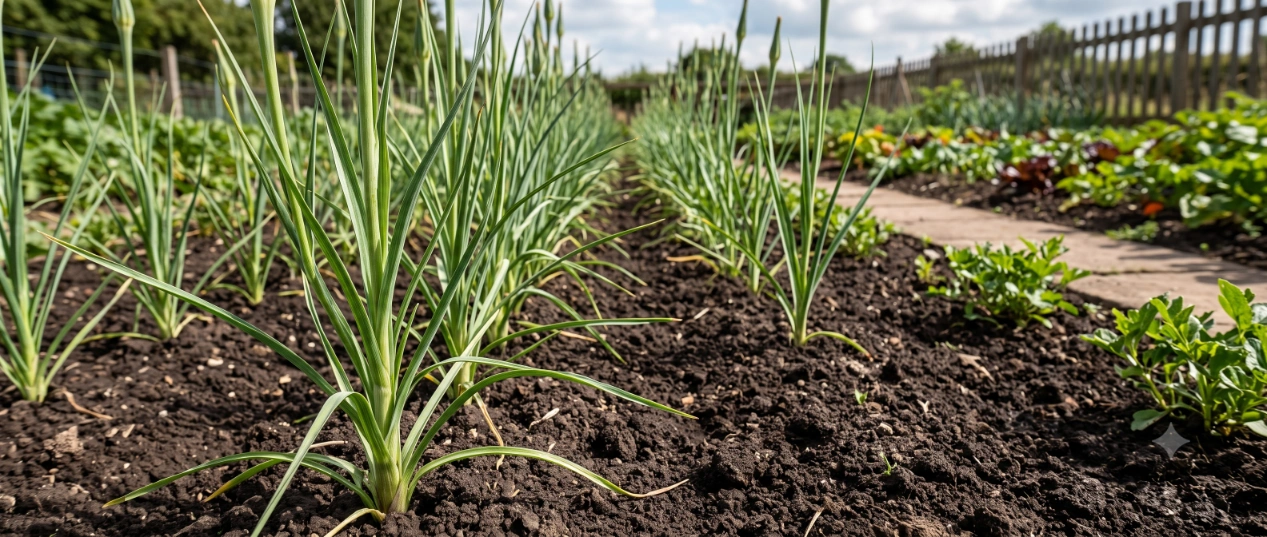
Salsify's wispy, dandelion-like seed heads are easy to spot but easy to lose -- they disperse on the wind within days of opening, and wild goatsbeard relatives growing nearby can quietly cross with your crop before you've harvested a thing.
New to terms like isolation distance or outcrossing? See the Seed-Saving Glossary.
Seed-Saving Difficulty
●
Moderate Difficulty
Moderate crossing risk
How It's Pollinated
Insect-pollinated
(Moderate crossing risk)
Scientific name: Tragopogon porrifolius
Domestic Crops It Can Cross With
- Other salsify varieties flowering at the same time
Wild Relatives & Feral Species
- Wild goatsbeard (Tragopogon species) grows in many temperate regions and can hybridise with salsify -- check roadsides and waste ground nearby
Separation Distances Required
Minimum: 200m between varieties
Recommended: 400m for reliable purity
Strict: Bag flower heads for guaranteed purity
Seed-Saving Strategies
- Biennial in most climates -- overwinter plants in the ground
- Allow the dandelion-like seed heads to fully dry and fluff up
- Harvest seed heads just as they open, before wind disperses them
- Store dry -- viable 1-2 years, sow fresh where possible