
Lentil behaves much like its legume relatives pea and bean -- mostly self-pollinating with minimal crossing risk -- which makes it a low-effort crop to add to a home seed bank once you have the harvest timing down.
New to terms like isolation distance or outcrossing? See the Seed-Saving Glossary.
Seed-Saving Difficulty
How It's Pollinated
Mostly self-pollinating
(Very low crossing risk)
Scientific name: Lens culinaris
Domestic Crops It Can Cross With
- Minimal crossing between lentil varieties -- flowers are largely self-fertile
Wild Relatives & Feral Species
- No significant wild relatives in most home garden regions
Separation Distances Required
Minimum: 5-10m between varieties
Recommended: Not usually needed beyond this
Strict: Not usually needed
Seed-Saving Strategies
- Allow pods to dry fully and turn brown on the plant
- Harvest when pods rattle and seeds inside are hard
- Shell pods by hand or thresh a larger batch
- Store dry -- viable 4-5 years
Why Harvest Timing Matters More Than Isolation
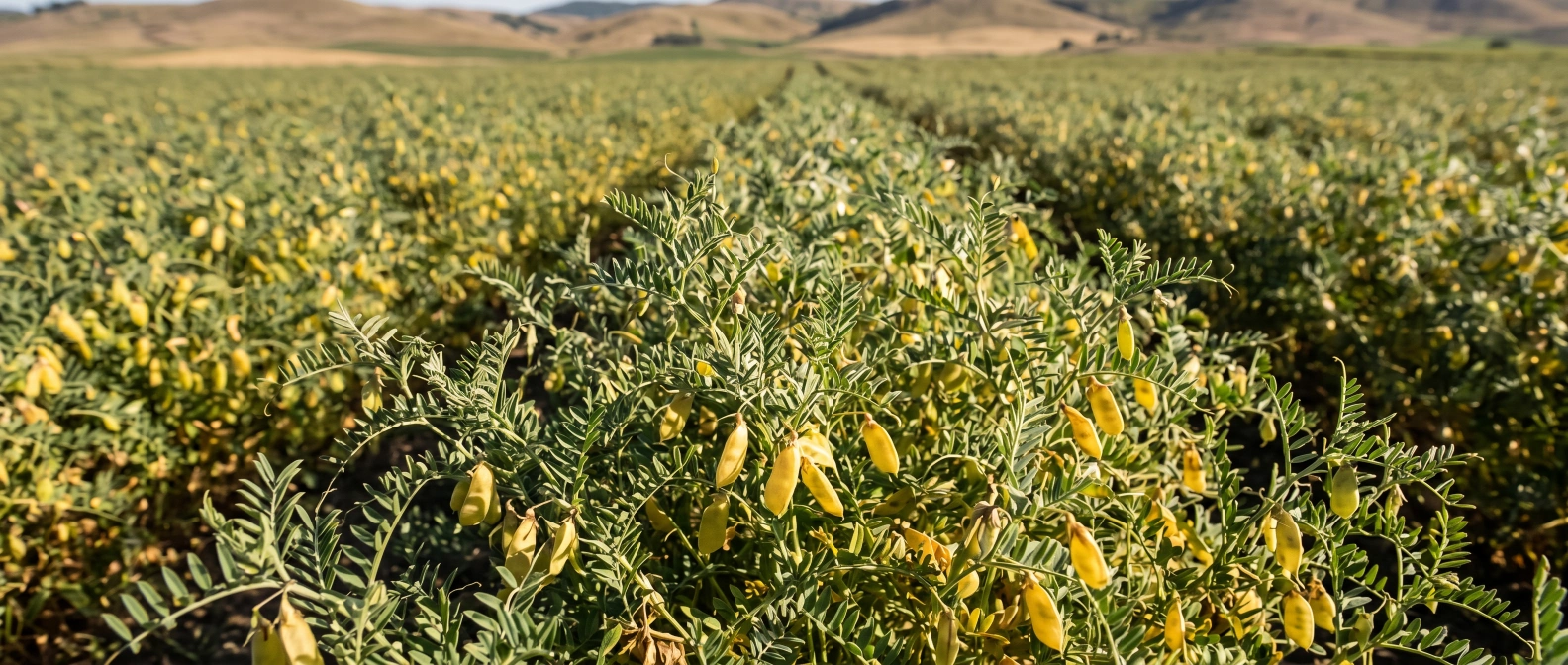
With crossing risk essentially off the table, the real skill in saving lentil seed is timing the harvest correctly. Pods that are picked too early won't have fully hardened seed inside, while pods left too long can shatter and scatter seed on the ground. Watch for pods turning from green to a dry, papery tan colour, and check a few by hand -- ready seed should be hard and rattle inside the pod.