
Spinach is one of the few common vegetables that's typically dioecious -- individual plants are usually either male or female, not both -- so a healthy seed crop depends on having enough of each sex flowering together, not just enough isolation from other varieties.
New to terms like isolation distance or outcrossing? See the Seed-Saving Glossary.
Seed-Saving Difficulty
How It's Pollinated
Wind-pollinated -- and usually dioecious (separate male and female plants)
(High crossing risk; needs both sexes present)
Scientific name: Spinacia oleracea
Domestic Crops It Can Cross With
- Any other spinach variety flowering nearby -- both male and female plants are needed for most varieties to set seed at all
Wild Relatives & Feral Species
- No significant wild relatives in most home garden regions
Separation Distances Required
Minimum: 400m between varieties
Recommended: 800m-1km for reliable purity
Strict: Bag and hand-pollinate for guaranteed purity
Seed-Saving Strategies
- Sow a decent-sized patch -- you need multiple plants of both sexes for good seed set
- Male plants shed pollen and die back first; female plants hold the seed on the stem
- Allow seed to dry fully and turn brown/tan on the plant
- Strip seed by hand once dry
- Store dry -- viable 3-5 years
Why Spinach Needs Male and Female Plants
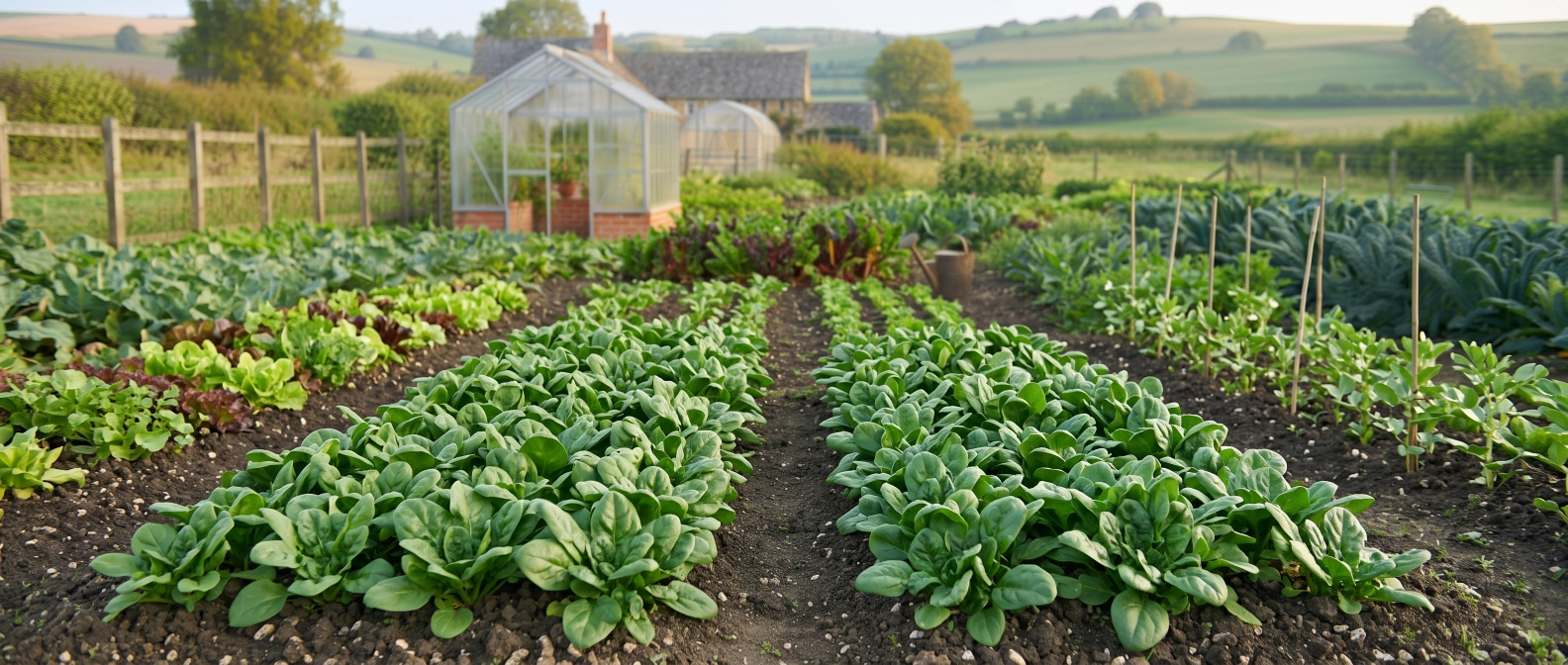
Most vegetables on this site are about keeping pollen away from other varieties. Spinach flips that around: since many varieties are dioecious (see the glossary), you first need enough male plants growing alongside the females just to get any seed set at all. Sow more than you think you need, and don't rogue out the male plants when you spot them -- they look different from the females but they're doing essential work.