
A green manure builds soil fertility by growing it in place rather than trucking it in. This zone's long, mostly warm growing year suits genuinely fast warm-climate legumes particularly well, and offers real flexibility about when to fit one into a rotation, a rare luxury compared to the tightly bounded sowing windows most other zones in this guide have to work around.
The Core Principle
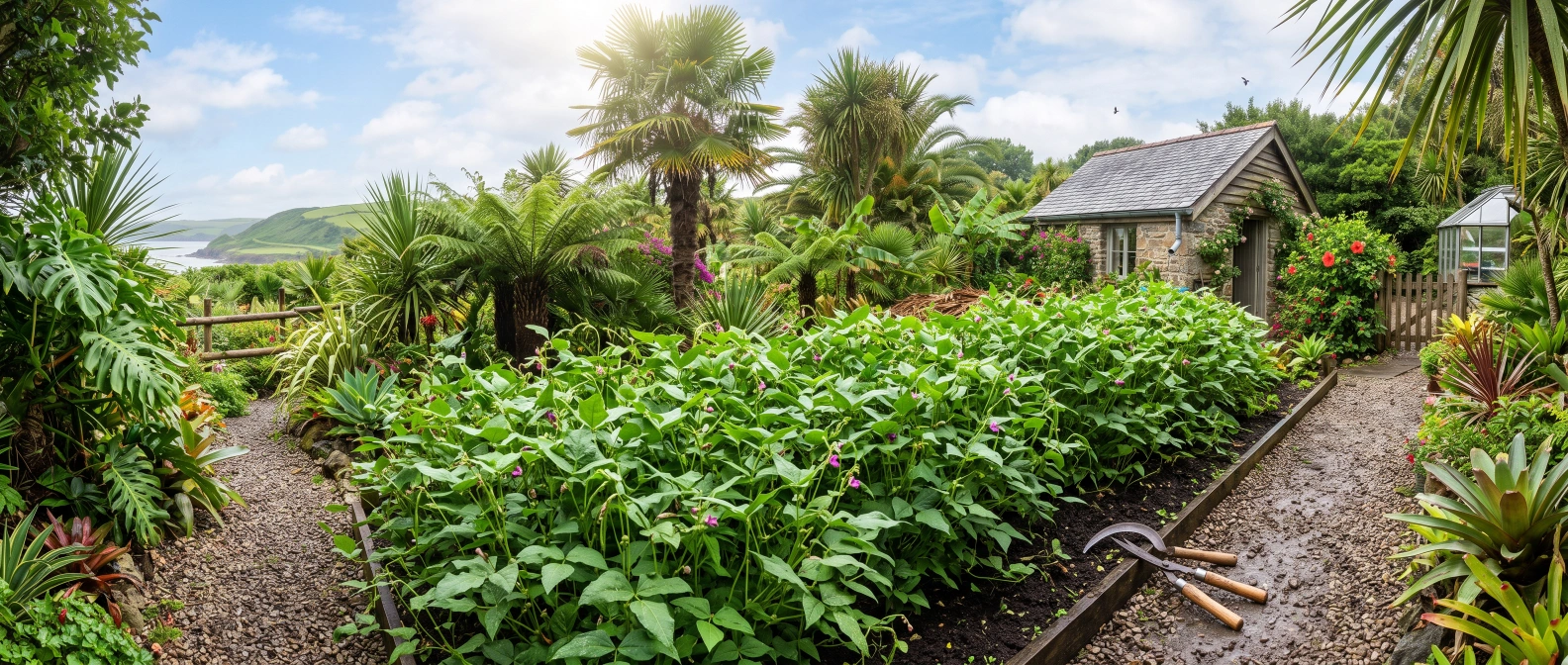
Legume green manures fix atmospheric nitrogen through bacteria living in nodules on their roots, converting it into a form plants can use. Both legume and non-legume green manures also build organic matter and soil structure simply through the physical action of their root systems growing, breaking up compaction and leaving channels behind as roots decay. Once a green manure has done its job, it's cut and either dug into the bed or left on the surface to break down, returning the fertility it built straight back into the soil it grew in.
Fast, Warm-Climate Legume Options
- Cowpea and related fast tropical legumes, already established as reliable choices in the Tropical guide, work equally well here given how similarly warm this zone stays for much of the year.
- Sunn hemp, a genuinely fast, warm-season nitrogen fixer, establishes quickly and reliably nodulates in warm soil, making it a strong choice specifically for speed.
A Genuine Timing Advantage
Because this zone's growing year is long and only mildly interrupted by a real winter, there's far more flexibility about when to fit a green manure into a rotation than a Mediterranean or boreal climate's tightly bounded windows allow (see Chapter 17). Even with that flexibility, it's still worth timing a sowing to coincide with a wetter stretch of the year rather than a dry one, so the crop gets properly established before it needs much supplemental watering, a scheduling decision that draws directly on the moisture-tracking skill covered in Chapter 11.
Chop and Drop: A Double Benefit
Cutting a green manure and leaving it where it fell, rather than digging it in or carting it to a heap, creates an instant mulch layer over the bed. That mulch does double duty: it breaks down to release the fertility the crop built, and in the meantime it helps retain soil moisture the same way the mulch caps described in Chapter 11 protect a compost heap, a genuine two-for-one benefit in a climate where bridging dry spells is the ongoing task.
Frequently Asked Questions
What does a green manure actually do for the soil?
A green manure is grown specifically to build fertility rather than to be harvested for food. Legume species fix nitrogen through root nodules, while their root systems, legume or not, build organic matter and soil structure as they grow. The crop is then cut and either dug in or left on the surface to break down, returning that fertility to the bed it grew in.
Which green manures actually suit a subtropical climate?
Genuinely fast, warm-climate legumes do best here. Cowpea and related fast tropical legumes, already covered for the Tropical guide, work well given how similarly warm this zone stays for much of the year, and sunn hemp is another fast, warm-season nitrogen fixer worth growing specifically for its speed and reliable nodulation.
When is the best time to sow a green manure here?
There's real flexibility, since the growing year here is long and only mildly interrupted by a real winter, unlike Mediterranean or boreal climates with tightly bounded windows. Even so, it's worth timing sowing to coincide with a wetter stretch rather than a dry one, so the crop establishes well before it needs much supplemental watering.