
The goal of composting is not just to produce a soil amendment -- it's to build a living soil ecosystem that becomes progressively more productive, resilient, and self-sustaining over years and decades. This final chapter looks beyond the compost heap to the broader soil-building picture.
The Soil Food Web
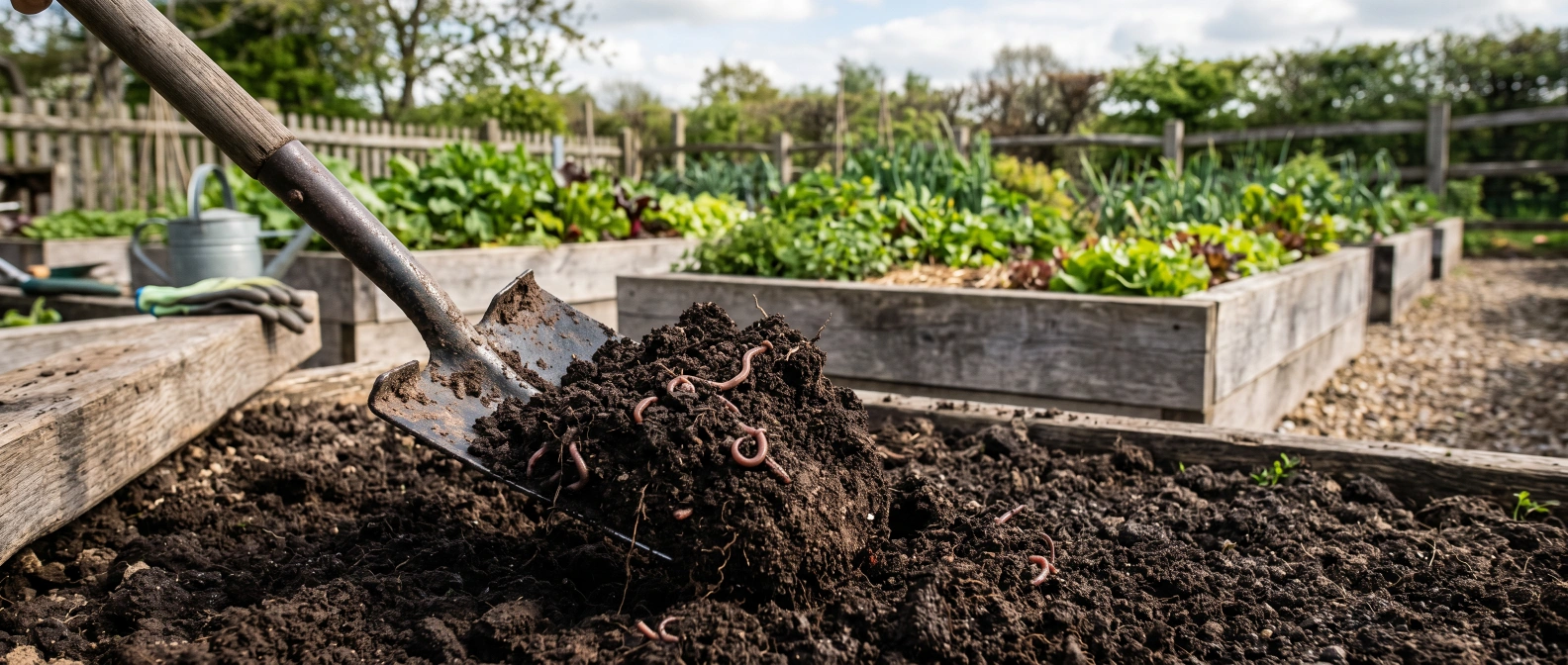
Every application of good compost feeds not just your plants but the entire food web of organisms that make soil function: bacteria, fungi, protozoa, nematodes, mites, springtails, beetles, and earthworms. A healthy maritime vegetable garden soil should contain billions of organisms per teaspoon. Compost is how you feed and build that community.
Diversity of Inputs = Diversity of Biology
A compost heap fed from diverse sources -- kitchen waste, seaweed, bracken, nettles, comfrey, wood ash, animal manure, and humanure -- will produce a far more biologically diverse end product than one fed from a single source. That biological diversity in the finished compost translates directly into soil resilience and plant health. This is a genuine callback to almost everything this guide has covered: Chapter 5's input reference, Chapter 6's seaweed, Chapter 7's humanure, and Chapter 8's activators are all, in the end, in service of this one outcome.
The Terra Preta Vision
Pre-Columbian Amazonian peoples created terra preta -- extraordinarily fertile dark earth that remains productive centuries after it was made -- through long-term application of charcoal, organic matter, bone and biological waste (see Chapter 9, Biochar). The same principle applies to temperate soils. A garden managed with consistent, thoughtful composting for ten or twenty years will develop a depth and richness of soil that no fertiliser can replicate -- dark, crumbly, biologically teeming ground that grows food almost effortlessly.
Frequently Asked Questions
Why does diversity of compost inputs matter for soil health?
A compost heap fed from diverse sources -- kitchen waste, seaweed, bracken, nettles, comfrey, wood ash, animal manure, and humanure -- produces a far more biologically diverse end product than one fed from a single source. That biological diversity in the finished compost translates directly into soil resilience and plant health, because it feeds a wider range of the organisms that make soil function. This is really a callback to everything this guide has covered: Chapter 5's input reference, Chapter 6's seaweed, Chapter 7's humanure, and Chapter 8's activators all feed into this one outcome.
What is terra preta and why does it matter for a temperate garden?
Terra preta is the extraordinarily fertile dark earth created by pre-Columbian Amazonian peoples through long-term application of charcoal, organic matter, bone and biological waste -- soil that remains productive centuries after it was made. The same principle applies directly to temperate soils (see Chapter 9, Biochar): a garden managed with consistent, thoughtful composting for ten or twenty years develops a depth and richness of soil that no fertiliser can replicate.
How long does it take to build genuinely rich soil through composting?
There's no shortcut -- it's a matter of years and decades, not seasons. Consistent, thoughtful composting sustained over ten or twenty years is what produces dark, crumbly, biologically teeming ground that grows food almost effortlessly. Shorter-term methods in this guide, like no-dig's three-to-five-year timeline, are genuine milestones along that longer road, not an endpoint in themselves.